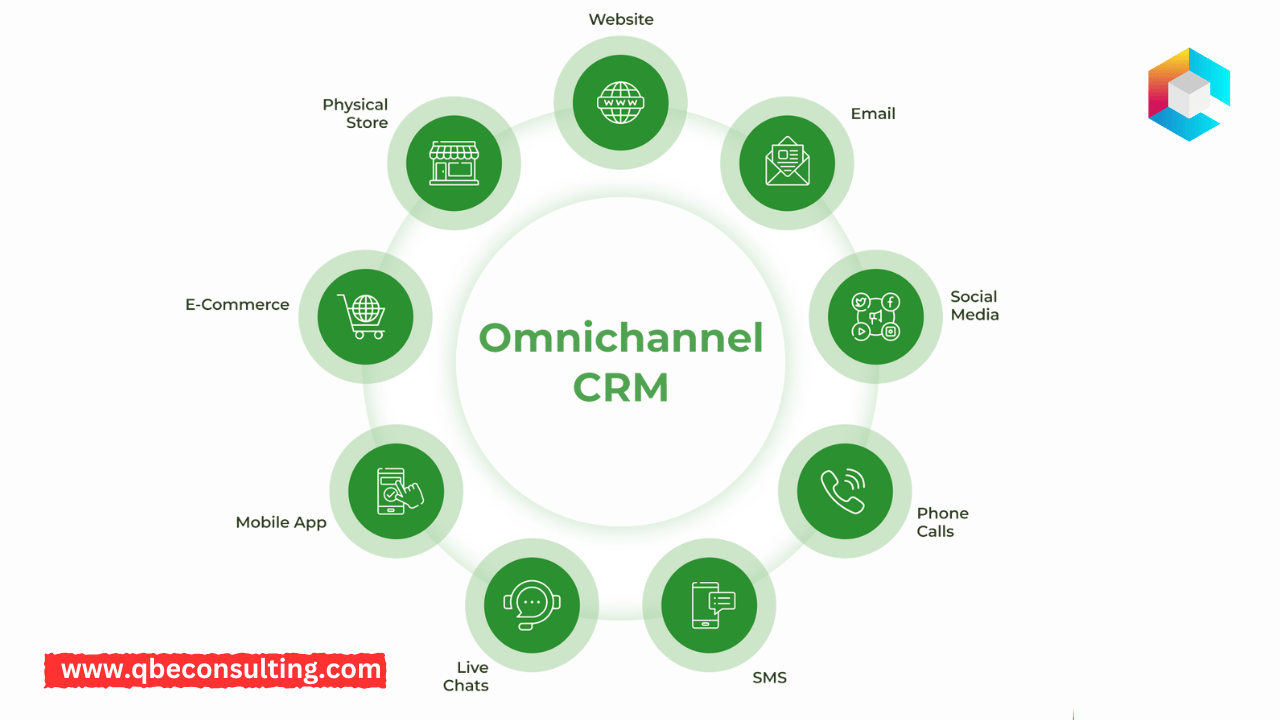
It used to be simple to advertise. You just had to keep track of how many people clicked on the ad, how many people bought something, and then improve the ad. Those times are gone now. People shop differently now, and it’s easy for them to switch between channels, platforms, and devices. They might see a brand on social media, search for it on Google, watch a video review on YouTube, and then buy it through email or in person. If you only watch the last scene of a movie, you won’t know what it’s about.
This is where full-funnel, omnichannel measurement comes in. It knows that marketing is messy and not always clear these days, and that a lot of things can change it. You need to know more than just who clicks. You also need to know who sees, remembers, explores, and finally does something, and most importantly, why they do it. This all-in-one method helps brands connect awareness campaigns at the top of the funnel to conversions at the bottom. It shows the hidden value of touchpoints that don’t convert right away but build trust over time.
You can’t see the whole picture if you only look at the bottom of the funnel. Stop looking at the click and start seeing the whole trip.
A Path That Doesn’t Go Straight Through the Modern Funnel
The steps in the traditional marketing funnel, like awareness, consideration, and conversion, are still there. But it’s hard to see how much people have changed since then. It’s hard to tell what today’s shoppers will do next. Someone might see your brand in a YouTube ad, then look at options on Instagram, read reviews on Google, and finally buy something through email or in a store. It’s important to do all of these things because they all affect the final decision, but no one channel is in charge of the conversion.
That’s why it’s so important to look at the whole funnel. It shows how brand activity at the top of the funnel leads to conversions and helps marketers figure out which channels are best for getting people to know about, be interested in, and stay loyal to a brand. Once brands realize this, they stop putting so much value on the last click and start putting value on the whole path to purchase. This helps people spend their money better, makes them feel more connected to your brand, and gives you a marketing plan that can handle more.
Full-Funnel Measurement: Seeing the Whole Picture
Most marketers are okay with looking at the bottom of the funnel, which shows how many clicks, conversions, and costs it takes to get new customers. But many of the most important things happen much earlier. Full-funnel measurement looks at every step of the customer journey, from when they first hear about your brand to when they buy something.
This method helps brands understand not only what people are doing but also why they are doing it. It looks at the top of the funnel, where people first hear about a product, the middle, where they think about it more, and the bottom, where they buy it. It looks at loyalty and advocacy even after a sale, which shows how customers change over time. By combining data from a lot of different places, like paid ads, organic search, email, social media, and even offline sources, full-funnel measurement gives a clearer and more accurate picture of performance.
Marketers used to ask, “Did this ad work?” Now they want to know, “What did this ad do to change the choice?” With this new way of thinking, you can make better plans, choose better creative options, and spend your money more wisely.
Different Ways to Measure the Whole Funnel
In today’s marketing world, brands can’t just use old-fashioned analytics to get good results. Multi-touch attribution gives value to all of a customer’s interactions, not just the last click. It shows that an Instagram ad could get people interested, a blog could get them to interact, and retargeting could seal the deal.
Marketing Mix Modeling (MMM) uses statistics to see how all channels, both online and offline, affect sales and income at the same time. It works best when there isn’t a lot of information to use.
CDPs put together data from websites, CRM systems, and apps to give you a complete picture of the customer. This lets you change things and keep things the same at all points of contact.
Finally, incrementality testing shows you the real effects of your marketing by showing you what would have happened if you hadn’t done it. It helps you figure out which campaigns really help things grow instead of just taking advantage of natural demand.
Marketers can use these methods to figure out how awareness leads to interest, engagement leads to intent, and conversion leads to loyalty.
The Measurement Mindset and Marketing Across Channels
Customers can reach you online, offline, on a mobile device, or in a store. But it’s not enough to be on every channel. The most important thing is to make sure that all of these channels work well together and are part of the same system.
A lot of brands still work in separate areas, with paid ads, CRM data, and sales in the store all reporting on their own. Omnichannel measurement solves the problem of fragmentation by putting all touchpoints under one framework. It helps marketers figure out where a customer might go wrong on their journey from seeing a YouTube ad to buying something through email.
You can make decisions faster, smarter, and more customer-focused when your strategy and metrics are connected on all platforms. The benefit is simple but strong: you won’t have to guess anymore; you can just market smartly based on what you know.
What Full-Funnel Measurement Can Tell You About Your Customers
Full-funnel measurement is useful because it not only tells you what’s working, but it also helps you get to know your customers better. Brands can learn which channels get people to notice them, where they leave, and what content makes them act by looking at the whole journey.
You might find that your YouTube ads work better with Gen Z audiences, or that people who are in the middle of the funnel are very interested but don’t buy because the message isn’t clear. These insights help marketers make their creative work better, make experiences more personal, and find the right users—those who are most likely to bring long-term value.
This method doesn’t just look at clicks and likes, which are not very useful. It also uses metrics of value, such as customer retention, lifetime customer value, and advocacy. Brands can make better choices that are good for their business when they understand this.
The next step is to use what you know.
First things first, you need to know how to measure the whole funnel. For these insights to be useful, brands need to use them to make decisions every day. This means going from reporting to doing, getting people from different creative, media, and analytics teams to work together, and using data to guide instead of just measure.
People need to work together instead of making things harder to have a unified approach. You don’t need a lot of tools; you just need the right ones that work well together. Above all else, make it a part of your culture to test and learn. Try out a few different campaigns, see how they do, and make changes right away. You can use data to not only figure out what has already happened, but also to make educated guesses about what will happen in the future as things get better. For instance, you can find new groups of customers, guess how much demand there will be, and keep customers from leaving.
The brands that do the best tomorrow won’t be the ones with the most information. They will be the ones who know how to use data in a way that is both right and useful.
Conclusion: It’s more than just a click
The marketing world today needs more than just numbers that look good for a short time. To be successful, you need to know how each interaction affects the final result and how all the steps in the customer journey, from awareness to loyalty, are related.
With full-funnel omnichannel measurement, brands can look beyond surface-level performance metrics and focus on what really matters: building trust, getting people to interact in meaningful ways, and making relationships that last. Marketers can learn a lot about a conversion by looking at more than just the click. This is where real progress begins.
📌